How Slot Machine Design Has Evolved: From Mechanical Reels to HTML5
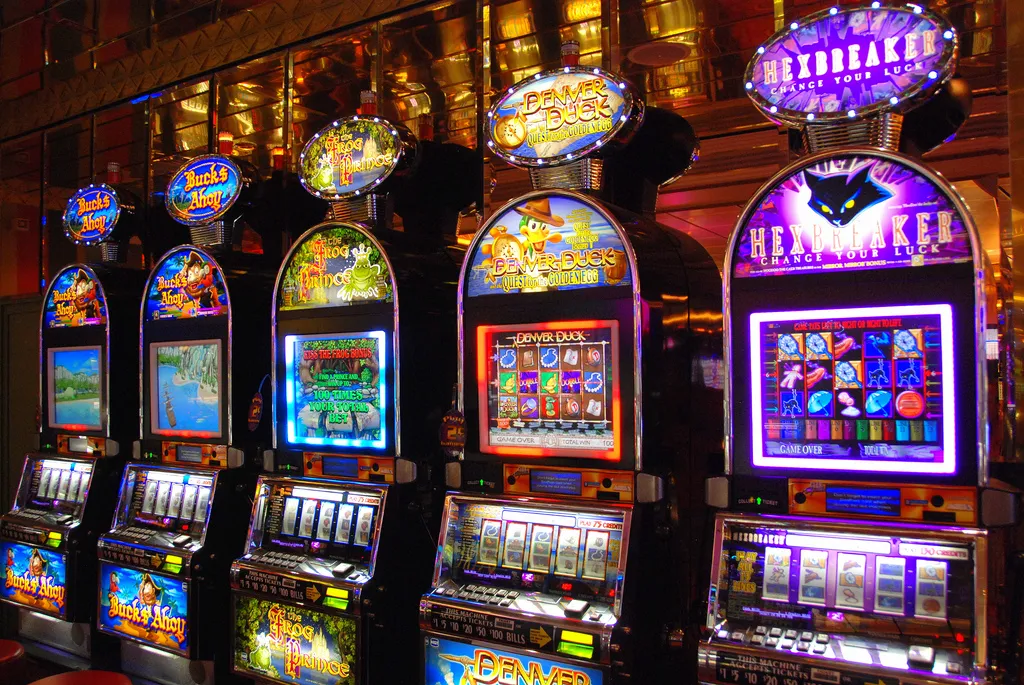
Imagine the heavy, metallic clunk of a lever being pulled, followed by the gritty grind of spinning metal reels and the final, decisive clatter of symbols landing. Now, contrast that with the silent, fluid swipe of a finger on glass, triggering a dazzling cascade of animated symbols set to a cinematic soundtrack. This stark contrast charts the extraordinary journey of slot machine design, a field where UK and European product innovation has continually redefined player experience. From the pub corner to the smartphone screen, the evolution of the slot is a masterclass in adapting technology, psychology, and art to captivate an audience.
The Mechanical Era: The Birth of the ‘One-Armed Bandit’
Long before pixels and processors, slot machines were feats of intricate mechanical engineering. The story begins with the physical interaction—the pull of the iconic lever that gave the ‘one-armed bandit’ its nickname—and the purely tangible outcome of spinning reels.
The Liberty Bell and the First Reels
In 1895, San Francisco mechanic Charles Fey created the Liberty Bell, widely recognised as the first true slot machine. It featured three spinning reels with five symbols: horseshoes, diamonds, spades, hearts, and the cracked Liberty Bell. Winning combinations were purely mechanical, with payouts dictated by the alignment of symbols. A crucial piece of this history is the origin of the iconic ‘BAR’ symbol, which didn’t appear on Fey’s machine but was later adopted from the logo of the Bell-Fruit Gum Company, whose machines offered gum as prizes to circumvent gambling laws.
UK High Streets and Pub Machines
The appeal of mechanical slots quickly crossed the Atlantic. UK manufacturers and operators, such as those that would later evolve into giants like Bally, adapted these machines for British tastes, placing them in pubs, arcades, and betting shops. The classic fruit symbols—cherries, lemons, plums—became a universal language of chance. These machines were standalone, physical products, their design constrained by gears, levers, and the need for robust construction to withstand public use.
The Electromechanical Leap: Lights, Sounds, and Basic Multipliers
The next great leap forward fused mechanics with electricity, transforming slots from quiet mechanical curiosities into sensory attractions. This era introduced the foundational elements of modern slot machine design: enhanced audiovisual feedback and the embryo of bonus features.
Powering Up with ‘Money Honey’
The revolution was sparked in 1963 by Bally’s ‘Money Honey’. While it still had physical reels, it used electricity to power lights, sounds, and, most importantly, an electric hopper that could automatically pay out up to 500 coins. This eliminated the need for an attendant for larger wins and allowed for faster gameplay. Critically, the first electromechanical slot, Bally’s ‘Money Honey’, paved the way for progressive jackpots, as its electrical system could be linked to a network of machines to create pooled, ever-growing top prizes.
Creating a Sensory Experience
With electricity, designers could now use flashing lights and rudimentary sound effects to celebrate wins, creating a more immersive and thrilling experience. This sensory layer was not just decoration; it was a crucial UX innovation that reinforced player actions with positive feedback, a principle that remains central to gaming UX competitions today.
The Video Screen Revolution: From Physical Reels to Pixels
The replacement of physical reels with a video screen was a conceptual earthquake. It untethered game design from the limitations of mechanical parts, opening a universe of creative possibilities for narrative and gameplay mechanics.
The First Video Slots
In the late 1970s, the Fortune Coin Company introduced the first video slot, using a modified 19-inch Sony CRT television to display simulated reels. Skeptics doubted players would trust a screen, but the advantages were undeniable. Video slots were quieter, more reliable, and far cheaper to manufacture and update than their mechanical counterparts.
Unlocking New Game Mechanics
The video screen was a blank canvas. Designers were no longer limited to left-to-right paylines on three reels. They could create:
- Multiple paylines (5, 9, 15, even 25).
- Bonus rounds on separate screens, like simple ‘pick-em’ games.
- Themed graphics and animations, moving beyond static fruit symbols.
This shift marked the beginning of slots as a storytelling medium, where themes from ancient Egypt to outer space could be visually realised.
The Online Boom: RNGs and Themed Immersion
The advent of the internet required a fundamental technological and philosophical shift. Without a physical machine, trust had to be engineered through software, and engagement had to be achieved through deep immersion.
Random Number Generators: The Digital Heart
The core of every online slot is the Random Number Generator (RNG), a complex algorithm that ensures every spin’s outcome is independent and fair. This invisible technology replaced the physical randomness of spinning reels. Importantly, the UK Gambling Commission’s regulations directly influence modern digital slot machine design, mandating rigorous testing and certification of these RNGs to ensure integrity and player protection, setting a global standard.
Storytelling Through Themes and Characters
Free from physical manufacturing constraints, UK-based software studios like Microgaming (which launched the first online casino in 1994) and Playtech led the charge in thematic depth. They began producing slots based on blockbuster films, TV shows, myths, and original narratives, complete with licensed soundtracks and character animations. The slot became a portal to another world, with its design focused on sustaining player engagement through narrative as much as through potential reward.
The Mobile & HTML5 Shift: Touch, Swipe, and Play Anywhere
As smartphones conquered the world, the industry faced an existential challenge. The dominant technology for online games, Adobe Flash, was not supported on iOS devices. The solution was a wholesale pivot to a new, universal web standard.
Overcoming Flash: The HTML5 Standard
The migration to HTML5 was a monumental task for developers. Unlike Flash, HTML5 games are responsive, meaning they can adapt their layout and controls to any screen size. This shift, championed by forward-thinking studios like Sweden’s NetEnt, ensured a seamless experience across desktop, tablet, and phone. It was a pure product design challenge: reimagining a landscape-oriented, mouse-click experience for portrait-mode touchscreens.
Designing for Touch and Portability
Mobile-first design demanded new UX principles. Buttons had to be larger for fingers. The ‘spin’ function was often moved to the bottom of the screen for thumb-friendly access. Games had to load quickly on mobile data and conserve battery life. This era cemented the idea of the slot as a ubiquitous, on-the-go entertainment product, fundamentally changing when and how people played.
The Modern Frontier: Gamification, 3D, and Beyond
Today’s slot machine design is characterised by its convergence with video games, pushing the boundaries of interactivity, visual fidelity, and game mechanics. This is the arena where contemporary UK gaming UX competitions shine, challenging designers to innovate within a regulated framework.
Blurring Lines with Video Game Features
Modern slots frequently incorporate elements once exclusive to console or PC gaming:
- Skill-based bonus rounds where the player’s ability influences the reward.
- Advanced 3D graphics and engine-based animations for cinematic quality.
- Gamification features like levelling up, interactive narratives, and collectible elements that mirror ‘loot box’ mechanics.
- Social features and tournament modes that add a competitive layer.
The Rise of Megaways and Cluster Pays
Mechanic innovation is equally crucial. British game studios like Blueprint Gaming and Big Time Gaming pioneered mechanics like Megaways. Big Time Gaming’s Megaways license, for instance, creates a dynamic reel setup where each spin can yield up to 117,649 ways to win, a far cry from the single payline of the Liberty Bell. Similarly, cluster-pay mechanics (where wins are formed by groups of adjacent symbols) replace traditional paylines, offering a fresh puzzle-like engagement. These breakthroughs are celebrated at events like the major igaming design awards and conferences hosted in London, such as the iconic ICE London exhibition, where the industry’s future is showcased.
The journey from the Liberty Bell to a 3D, narrative-driven HTML5 slot played on a morning commute is a testament to relentless innovation in product design. Each era—mechanical, electromechanical, video, online, mobile, and gamified—has been driven by a single, constant pursuit: deeper, more engaging, and more entertaining player experiences. This core principle, balancing creative artistry with technological possibility and regulatory responsibility, is precisely what fuels today’s most prestigious casino game design contests and defines the cutting edge of the industry.
Post Comment