Gaming UX Design: Principles That Make Online Casinos Engaging
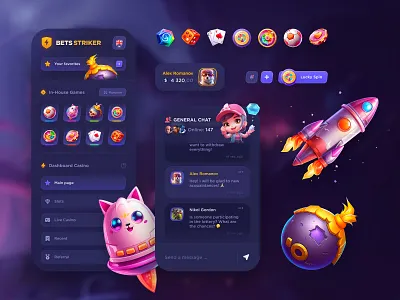
We’ve seen firsthand how superior gaming UX design can make or break an online casino’s success in the UK market. In an arena saturated with choice, where a player’s attention is a prized commodity, it is the user experience (UX) that often dictates where they sign up, deposit, and, crucially, continue to play. Beyond flashy graphics and big bonuses, it’s the seamless, engaging, and intuitive journey crafted by designers that builds loyalty and drives revenue. This deep dive explores the core principles of effective gaming UX, examines their application in iconic slot machine design, and highlights how UK-centric competitions and regulations shape this dynamic field.
The Foundation of Gaming UX Design
Gaming UX design is the specialised discipline of crafting the entire experience a player has with a digital casino or game. It encompasses everything from the initial site navigation and registration flow to the tactile feel of a spin button and the celebratory animation of a win. Unlike broader web UX, gaming UX operates in a high-stakes environment of emotional peaks and troughs, where milliseconds of delay or a confusing menu can shatter immersion and cost a operator a customer. Its role is to facilitate fun, trust, and effortless interaction within a highly regulated framework.
What Sets Gaming UX Apart
What distinguishes gaming UX from other digital experiences is its core mission to balance engagement with responsibility. It must design for dopamine-driven reward cycles while rigorously integrating player protection tools like deposit limits and time-out reminders. The UX must feel exhilarating yet safe, persuasive yet fair. Furthermore, it operates under stringent oversight; for instance, the UK Gambling Commission regulates all online casinos in the UK, mandating that UX design must never exploit vulnerability or mislead the player—a fundamental constraint that shapes every design decision.
The Business Impact of Good UX
The commercial imperative for excellence in gaming UX is undeniable. A clunky deposit process increases cart abandonment. Unclear game rules erode trust. A poorly explained bonus leads to frustrated customer service calls. Conversely, a fluid, engaging UX boosts player lifetime value, reduces operational costs, and enhances brand reputation. In the competitive UK iGaming landscape, where acquiring a new customer is costly, a superior UX is not just a design goal—it’s a critical retention and profitability tool.
Core Principles for Engaging Casino UX
The best online casinos in the UK are built on UX principles that feel invisible to the player. These principles transform complex systems into intuitive playgrounds. By examining industry leaders like NetEnt and Microgaming, whose games hold significant UK market share, we can distil the essential tenets of captivating casino UX.
Simplicity and Intuitive Navigation
A player should never have to “learn” how to use a casino. Iconography should be universal, game categories instantly understandable, and account functions easy to find. This principle extends to the games themselves. Consider a NetEnt slot: the spin button is dominant, bet adjustments are clear, and paytable access is consistent. The goal is zero cognitive load for core actions, allowing the player to focus on the game itself, not the interface.
Real-Time Feedback and Engagement Loops
Every action must have an immediate, satisfying reaction. Clicking “spin” triggers a distinct sound and animation. A win is celebrated with visual and auditory fanfare tailored to its size. This constant feedback loop is the engine of engagement, validating the player’s action and encouraging the next. Microgaming’s legacy titles often excel here, with iconic sounds for line wins and jackpots that have become part of gaming culture, proving that effective feedback is both informational and emotional.
Personalisation and Player Journeys
Modern UX moves beyond one-size-fits-all. Using data analytics, platforms can curate game lobbies, offer tailored bonuses, and adjust communication. A new player might see guided tours and beginner-friendly slots, while a veteran might be shown high-volatility games or tournament leaderboards. This dynamic journey makes the experience feel bespoke, increasing relevance and connection. The ultimate expression of this is in responsible gambling tools, where personalised alerts based on play patterns demonstrate a UX that cares for the individual.
Slot Machine Design: A UX Deep Dive
Slot machines are the beating heart of most online casinos, and their design is a masterclass in applied gaming UX. Every visual, auditory, and mechanical element is meticulously crafted to create immersion and maintain flow. UK studios, often honed through internal product design contest UK initiatives, are at the forefront of this innovation.
Visual and Audio Cues for Immersion
The UX of a slot begins before the first spin. High-quality themes (from ancient myths to blockbuster films) set the narrative stage. Symbols are designed for instant recognition, while ambient music and thematic soundscapes build atmosphere. Crucially, audio cues are not just decorative; they are functional. A mounting musical crescendo during a bonus round builds anticipation, while a distinctive coin-rattle sound confirms a win, often making players glance up from other tasks. This multi-sensory design ensures total immersion.
Mechanics that Keep Players Spinning
Beyond aesthetics, the underlying game mechanics are the ultimate UX tools. Features like “Win Both Ways,” cascading reels, and expanding wilds introduce surprise and complexity without complicating the core loop. Anticipation builders, such as wheel-based bonus rounds or progressive jackpot meters that tick up in the lobby, create compelling reasons to continue. The UX design ensures these mechanics are communicated clearly—often through short, skippable tutorials—so players understand the potential without feeling overwhelmed.
Innovation from Gaming UX Competitions
The rapid evolution of casino UX is significantly propelled by the competitive arena. Gaming UX competitions and igaming design awards provide a platform for breakthrough ideas, pushing the entire industry forward. The UK, as a global iGaming hub, hosts several of the most influential events.
Key UK Competitions and Awards
UK-based awards are a key barometer of excellence. The EGR Awards are prestigious iGaming awards held annually in London, recognising innovation across operators and affiliates. Meanwhile, ICE London is the world’s largest gaming expo, hosted in the UK, where the ICE VOX conference often features challenges and pitches for the next big game concept. These events force studios to think beyond incremental improvements and dare to redefine player experience.
- EGR Awards (London): Categories like ‘Slot of the Year’ and ‘Innovation in Casino’ directly reward UX and game design excellence.
- ICE London: The exhibition floor is a living lab of UX trends, from new interface paradigms to immersive VR casino prototypes.
- Internal Studio Contests: Many UK game developers run their own casino game design contests, fostering innovation from within their teams.
Lessons from Winning Entries
Analysing award-winning entries reveals common UX themes: a ruthless focus on mobile-first design, the clever integration of narrative into gameplay (so-called “story slots”), and the use of meta-features like tournaments and missions that add a layer of engagement atop individual games. Winners often showcase how to simplify complex math models into intuitive player experiences or find novel ways to incorporate responsible gambling messages seamlessly, proving that constraint can breed creativity.
Applying UX Principles in the UK Market
Succeeding in the UK iGaming sector requires more than just applying global UX best practices. Designers must navigate a unique landscape of strict regulation and distinct player preferences, often centred around operations in key hubs like London and the Isle of Man, a key jurisdiction for iGaming companies serving the UK.
Regulatory Considerations
UKGC regulations are a primary UX driver. Designs must incorporate mandatory reality checks, clear display of bet size and balance, and instant access to transaction history and responsible gambling tools. These elements cannot be buried in menus; they must be part of the core flow. This creates a unique UX challenge: designing for compliance without compromising enjoyment. The most successful UK-facing casinos treat these features as pillars of a trustworthy brand experience, not as inconvenient add-ons.
Localising for UK Players
UK players have distinct tastes and cultural touchpoints. A successful UX localises content, offering popular UK sports like football and horse racing prominently. It understands currency (£), language nuances, and preferred payment methods like debit cards and e-wallets. Furthermore, the design aesthetic often leans towards a balance of sophistication and straightforwardness, avoiding over-the-top glamour for a more refined, credible feel that resonates with the local market.
In conclusion, the dynamic and competitive UK online casino market demands an unwavering focus on gaming UX design. From the foundational principles of clarity and feedback to the innovative sparks ignited by London-based awards and the rigorous constraints of UKGC regulation, every aspect of the player journey must be meticulously crafted. For operators and developers, ongoing investment in this discipline is not merely a technical consideration—it is the fundamental key to building engaging, responsible, and profitable platforms that stand the test of time in one of the world’s most demanding iGaming environments.
Post Comment